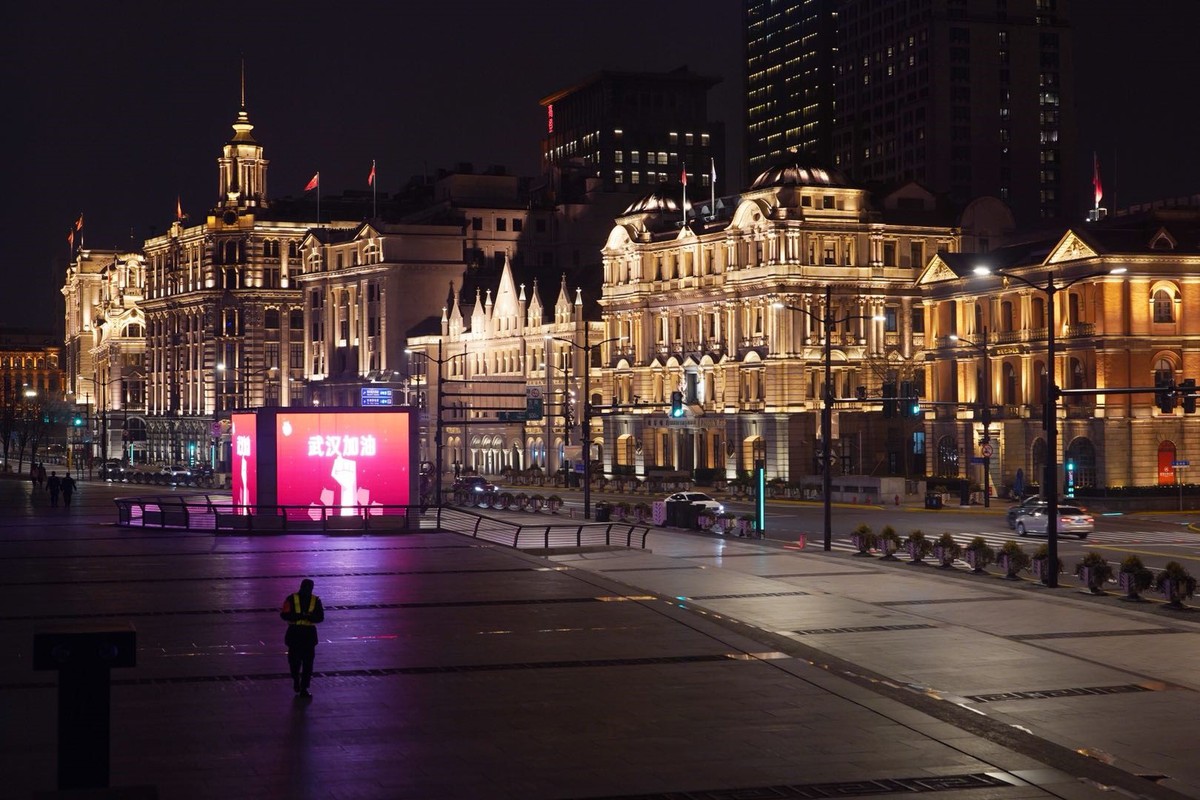
The Bund
Introduction
The Bund, a historical waterfront area in Shanghai, is an iconic representation of the city's affluent past. It derives its name from an Anglo-Indian term meaning "muddy embankment". This illustrious stretch extends along the western bank of the Huangpu River, encompassing Zhongshan East Road—a major thoroughfare that runs the length of the Bund. Known for its grandiose architecture and historical significance, the Bund has long been a symbol of Shanghai's economic prowess and cultural heritage. Once the site where taipans, or influential foreign businessmen, established magnificent buildings, today it remains a prime tourist destination, drawing visitors from around the globe to marvel at its rich history and architectural splendor.
History
The Bund's early development can be traced back to its role as a critical point of entry for foreign trade in Shanghai. Initially, this swampy riverbank served as a natural barrier and a primary point for trade and commerce. As international trade flourished, Shanghai transformed into a bustling metropolis, with the Bund becoming the focal point of the city's financial and social life. During the late 19th and early 20th centuries, the area witnessed the construction of grand edifices that held significant symbolic importance. These monumental structures were not only architectural marvels but also testaments to the city's burgeoning wealth and status as a global trading hub.
In the 1920s and 1930s, the Bund reached the zenith of its influence as a vibrant center for international finance and social activities. It was during this era that the Bund's majestic buildings became synonymous with foreign investment and business interests rooted deeply in Shanghai. The Bund was not just a commercial hub; it was also a cultural and social melting pot where Shanghai's elite mingled in exclusive clubs, showcasing the city's cosmopolitan allure.
The promenade itself was elevated to prevent flooding from the Huangpu River and Suzhou Creek, transforming it into a scenic walkway that offers panoramic views of both the historical buildings and the modern wonders across the river. Despite changes in function and ownership, the architectural grandeur of the Bund has been preserved, maintaining its status as a historical and cultural landmark.
Architecture
Prominent Buildings
The Bund is renowned for its array of stately buildings that line the waterfront. Among these, the Peace Hotel, known for its Art Deco style, stands out as a symbol of the Bund's historical significance. The AIA Building, with its classical architectural elements, and the Shanghai Customs House, featuring a distinctive clock tower, contribute to the area's architectural diversity. Each building along the Bund tells a story of the city's past, with many structures having been repurposed for modern use while retaining their historic charm. These buildings are not only architectural masterpieces but also serve as cultural touchstones that connect Shanghai's past with its present.
Architectural Styles
The architectural styles represented along the Bund are as diverse as the history they embody. From neoclassical to Art Deco, the buildings reflect the various influences brought by foreign powers. The use of marble and stone in their construction highlights the emphasis on durability and grandeur. These styles collectively create a unique architectural landscape that is both aesthetically pleasing and historically significant. The blend of Western architectural techniques with local influences has resulted in a distinct identity for the Bund, making it a must-visit destination for architecture enthusiasts and history buffs alike.
Cultural Significance
Influence on Arts
The Bund's cultural significance extends beyond its architectural grandeur. It has been a source of inspiration for various forms of art, including literature, film, and photography. The striking contrast between the historical buildings and the modern skyline across the Huangpu River has captivated artists and photographers, making it a popular subject for creative expression. The Bund's rich history and its role as a cultural hub have contributed to its enduring presence in the artistic narrative of Shanghai, highlighting its importance as a symbol of the city's evolving identity.
Role in Media
The Bund has frequently been featured in media, both domestically and internationally, as a representation of Shanghai's dynamic past and present. Its iconic skyline and historical significance make it an ideal backdrop for films, documentaries, and television shows. The Bund's portrayal in media not only showcases its architectural beauty but also underscores its role as a cultural and historical emblem of Shanghai. Through various forms of media, the Bund continues to capture the imagination of audiences worldwide, reinforcing its status as a cultural landmark.
Tourism
Popular Attractions
As Shanghai's number one tourist site, the Bund offers a variety of attractions that draw millions of visitors each year. The promenade itself is a popular spot for strolling and taking in the scenic views of the Huangpu River and the modern Pudong skyline. Key attractions include the Peace Hotel, the AIA Building, and the Shanghai Customs House, each offering a glimpse into the city's storied past. Additionally, the Monument to the People's Heroes and the Bund History Museum provide historical context and enrich visitors' understanding of Shanghai's evolution over the years.
Visitor Information
Visitors to the Bund can enjoy a range of activities and experiences. The area is easily accessible via Zhongshan East Road, with pedestrian bridges and tunnels facilitating safe crossing of the thoroughfare. By night, the Bund comes alive with vendors selling souvenirs, and photographers offering services to capture memorable moments against the backdrop of the illuminated skyline. The elevated promenade provides an ideal vantage point for viewing both the historical buildings and the vibrant river traffic. Whether exploring during the day or night, the Bund offers an unforgettable experience that captures the essence of Shanghai's past and present.








